Key facts
- 1Dundee is known as the sunniest city in Scotland, recording high annual sunshine hours.
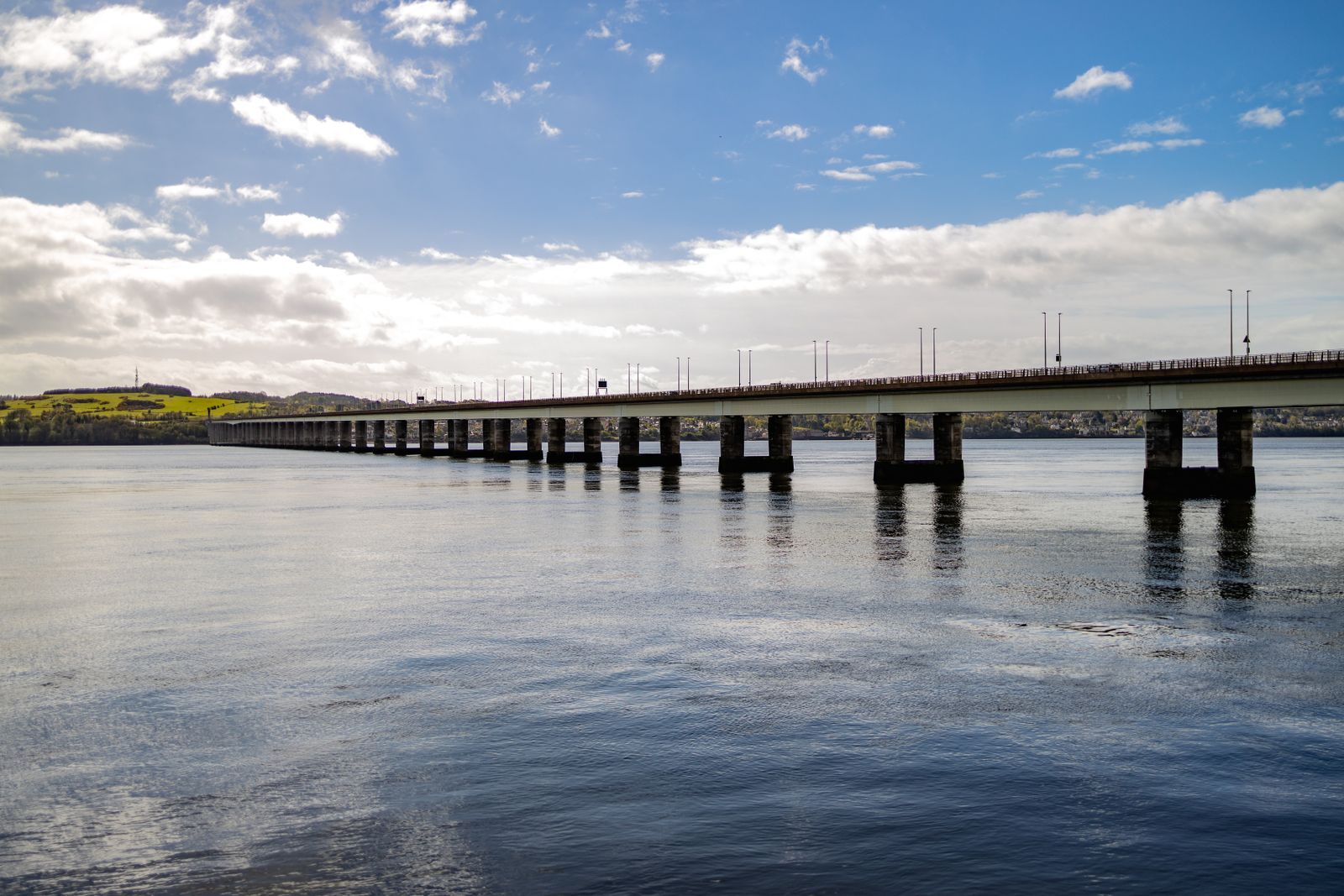
- 2The city sits on the Tay estuary, giving it a coastal climate with salt-laden air.
- 3Much of Dundee's housing is sandstone villas and tenements with slate roofs.
- 4Dundee lies near the boundary between SP Energy Networks (SPEN) and SSE Networks (SSEN).
- 5Systems up to 3.68kW are notified under G98; larger systems need G99 approval from the relevant operator.
- 6Modern solar panels are designed to withstand coastal marine environments.
- 7Interest-free credit up to £30,000, subject to status.
Last updated: 28 October 2026
What makes Dundee a strong location for solar?
Dundee records more sunshine hours than most Scottish cities, which is favourable for solar generation. While panels work on daylight rather than heat, extra sunshine does help annual output. The city\'s position on the north bank of the Tay also means many homes have open, unshaded aspects facing south towards the water.
That said, roof direction, pitch and shading still matter more than your exact postcode. A south-facing roof in any Scottish city will outperform a shaded north-facing one in Dundee. A survey gives you an honest estimate of what your specific roof can generate. Our solar panels guide explains how output works across Scotland.
How do coastal conditions affect solar panels in Dundee?
Dundee\'s position on the Tay estuary means salt-laden air, which is a consideration for any metal components on a roof. Modern solar panels are designed to withstand marine environments, with sealed aluminium frames and toughened glass, and routine rain keeps the glass reasonably clean. The main thing checked at survey is the condition of mounting hardware and roof fixings, which should be corrosion-resistant.
Coastal exposure does not rule out solar — panels are installed successfully in coastal towns across Scotland. It simply means the survey pays attention to the condition of existing roof structures and fixings, and we use appropriate materials for the environment.
Can heat pumps work in Dundee sandstone villas?
Many Dundee homes are sandstone villas with solid walls, which behave differently from modern cavity construction. A heat pump can work well, but a room-by-room heat loss survey is essential to check whether the property can hold the lower flow temperatures a heat pump needs. Some sandstone villas benefit from internal wall insulation first.
The survey also shows which radiators need upgrading and whether a hot water cylinder is required. Heat pumps are particularly strong candidates for Dundee homes that are off the gas grid and heated by oil or electric. See our heat pumps guide for how the technology works across Scottish homes.
What about the SPEN-SSEN DNO boundary in Dundee?
Dundee sits near the boundary between SP Energy Networks (SPEN) and SSE Networks (SSEN), so the distribution network operator for your home depends on your exact location. This matters because G99 application timelines differ between the two operators — SPEN typically processes in around four to six weeks, while SSEN can take six to eight weeks.
We confirm which operator serves your address at survey stage and handle the G98 notification or G99 application as part of your installation. Most domestic systems fall under G98 and need only a post-installation notification, but larger systems or those with a battery above the threshold need prior approval.
What drives the cost of a Dundee installation?
Sandstone villa vs flat
Solid wall villas need a careful heat loss survey; shared tenement roofs need ownership checks.
Coastal exposure
Marine air means the survey checks roof fixings and uses corrosion-resistant mounting hardware.
Slate roof condition
Original Dundee slate may need repairs or replacement before panels are fitted.
DNO boundary
SPEN and SSEN have different G99 timelines, which affects your project schedule.
Inverter and battery
A hybrid inverter now makes adding a battery later simpler but costs a little more upfront.
System size
Larger systems cost more but may suit bigger villas or homes with high electricity use.
How long does a Dundee installation take?
For a straightforward Dundee house, expect roughly four to eight weeks from survey to installation, depending on whether SPEN or SSEN serves your address and whether a G99 application is needed. The physical fit usually takes one to two days once scaffolding is up. Heat pump installations in sandstone villas may take longer if insulation or radiator upgrades are needed. We give you a realistic timeline at survey stage.
To see the full list of areas we cover across Scotland, visit our areas covered page. For general questions about solar, batteries and heat pumps, our FAQ page has answers.
Common questions
Is Dundee really the sunniest city in Scotland for solar?
Dundee records more sunshine hours than most Scottish cities, which is favourable for solar generation — but panels work on daylight, not heat, so output across Scotland is viable. Roof direction, pitch and shading matter more than your exact postcode. A survey confirms what your specific roof can generate.
Which network operator covers Dundee?
Dundee sits near the boundary between SP Energy Networks (SPEN) and SSE Networks (SSEN). The operator depends on your exact location. Systems up to 3.68kW are notified under G98; larger systems need G99 approval. We confirm which operator serves your address at survey stage and handle the notification or application.
Can I fit solar panels on a Dundee sandstone villa?
Yes. Many Dundee properties are sandstone villas with slate roofs, and solar can be fitted provided the roof is sound and suitably oriented. The sandstone walls are more relevant to heat pump design than to solar. A survey checks slate condition, orientation and shading before quoting.
Do coastal conditions in Dundee affect solar panels?
Dundee's coastal position means salt-laden air, but modern solar panels are designed to withstand marine environments with sealed frames and toughened glass. Routine rain keeps panels reasonably clean. Marine corrosion is more of a consideration for mounting hardware, which is checked at survey. Panels typically stay in place for decades.
Are heat pumps suitable for Dundee homes?
Yes. Heat pumps work well in Dundee homes, particularly those off the gas grid. A heat loss survey checks insulation and radiator sizing. Many Dundee sandstone villas have solid walls, so the survey is important to confirm whether insulation upgrades are needed. Interest-free credit up to £30,000, subject to status.
Last updated: 28 October 2026 · Reviewed by the Scottish Energy Efficiency team